
Damanhur Education in support of the Kakuma Refugee Camp in Kenya

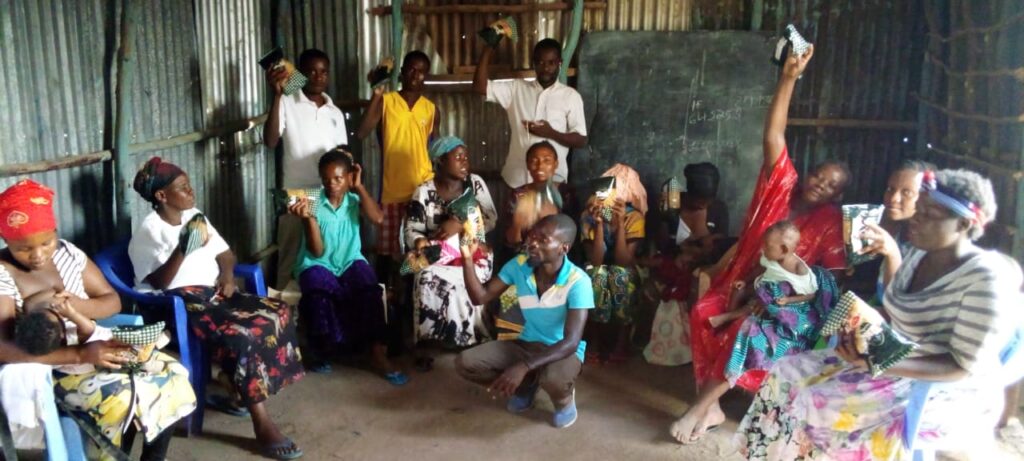
In the sprawling Kakuma refugee camp in Kenya—where nearly 200,000 people live in conditions of extreme hardship—a small organization called Development and Empowerment of Society (DES) has been quietly working to support communities through education, leadership training, and sustainable food production. As Damanhur Education, Damanhur NGO, and its president Macaco Tamerice, we have signed a Memorandum of Understanding with DES to strengthen and expand this work.
This partnership emerged from shared conviction: that education and empowerment matter, particularly in crisis—just showing up and doing the work together.
The Transformation Catalyzed
Over several years, with support from Macaco (Damanhur ambassador), DES has quietly built something extraordinary. What began as small-scale training initiatives has blossomed into a genuine movement for refugee empowerment:
Leadership and Conflict Resolution: We have trained over 170 people in certified leadership and conflict resolution courses. These are tools for survival and dignity in an environment where trauma, grief, and competing needs create constant tension. The impact is so tangible that the Kenyan government has officially recognized the trained women’s group as a formal conflict resolution agency within the camp.
Permaculture and Food Security: Perhaps most critically, we have introduced permaculture—the design philosophy of working with nature rather than against it. Today, 70 families depend on the community garden. In the context of the current humanitarian catastrophe, this garden has become essential for survival. It transforms the camp from a place of complete dependency into a space where people can still grow food, preserve dignity, and take care of themselves.
Adult Education Infrastructure: Through all of this, Kadjosi and DES have managed to secure land to build an adult school—a physical space for learning in a place where formal education infrastructure barely exists.
These projects represent a coherent vision of empowerment: training people to be leaders and conflict-resolvers, equipping them with practical skills to grow their own food, creating infrastructure for continued learning. It’s precisely the kind of multidimensional approach that Damanhur Education has always advocated.
Thanks to Damanhur Education network (EDE Online) we have found several people and organizations that were interested in giving support.
Why This Partnership Matters
The Memorandum of Understanding provides DES with formal institutional credibility—something that matters significantly in the humanitarian aid sector. UNHCR and other organizations require formal partnerships before extending greater support, allocating responsibility for refugee services, and unlocking funding channels. This agreement strengthens DES’s position to access resources that could expand their work.
But there’s also a practical dimension: Damanhur Education brings experience in training methodologies, community leadership approaches, and sustainable development frameworks that can inform and strengthen DES’s programs. DES, in turn, demonstrates what these methods can accomplish in a real crisis situation—where the stakes are immediate and survival is at hand.
Do you want to Support?
If you believe this work matters, there are concrete ways to help:
Support DES directly. Visit developmentandempowermentofsociety.com to learn more about their work and donate. Your contribution goes directly to expanding food security, conflict resolution training, permaculture gardens, and educational infrastructure in Kakuma.
Engage more deeply. If you’re interested in visiting Kakuma, supporting DES’s work over time, or exploring how these approaches might work in other contexts, connect with Macaco by writing to [email protected].
Spread the word. Share this story. Help people understand what’s happening in Kakuma and why this work matters.
More on Damanhur Education
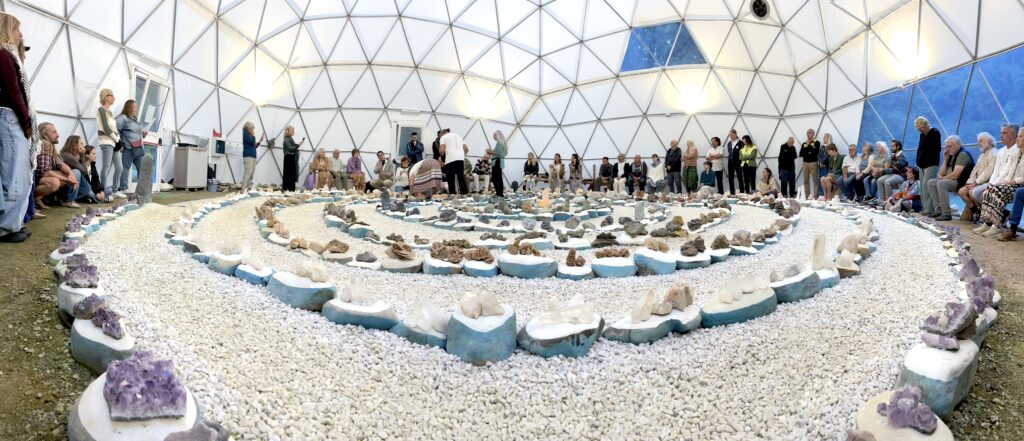
Damanhur Education is the international NGO of Damanhur, federation of spiritual communities. The organization holds Special Consultative Status with the UN Economic and Social Council (ECOSOC) and works on environmental sustainability, education, and alternative community models.
One of their main initiatives is the Ecovillage Design Education (EDE)—a month-long course that trains people in sustainable community design across social, cultural, ecological, and economic dimensions. They also support concrete projects like the twinning partnership with Guedè Chantier in Senegal.
More on DES
DES represents the urgent reality of helping people survive and reclaim dignity in the present moment. Founded and led by Kadjosi Matabishi, DES operates within the Kakuma refugee camp, where over a decade of conflict, climate collapse, and forced displacement have created a humanitarian crisis of staggering proportions.
Nearly 200,000 people live in Kakuma—a sprawling, improvised city of tents and temporary structures where the infrastructure for basic survival is painfully inadequate. For years, humanitarian assistance from organizations like UNHCR and the World Food Programme provided a lifeline. But in recent months, cuts in US humanitarian aid have created a catastrophic situation. Food rations that once amounted to 3 kg per person per month have been slashed to zero for most people—with only the most vulnerable (severely disabled individuals and mothers with children) receiving 20-40% of their previous allocations.




Responses